
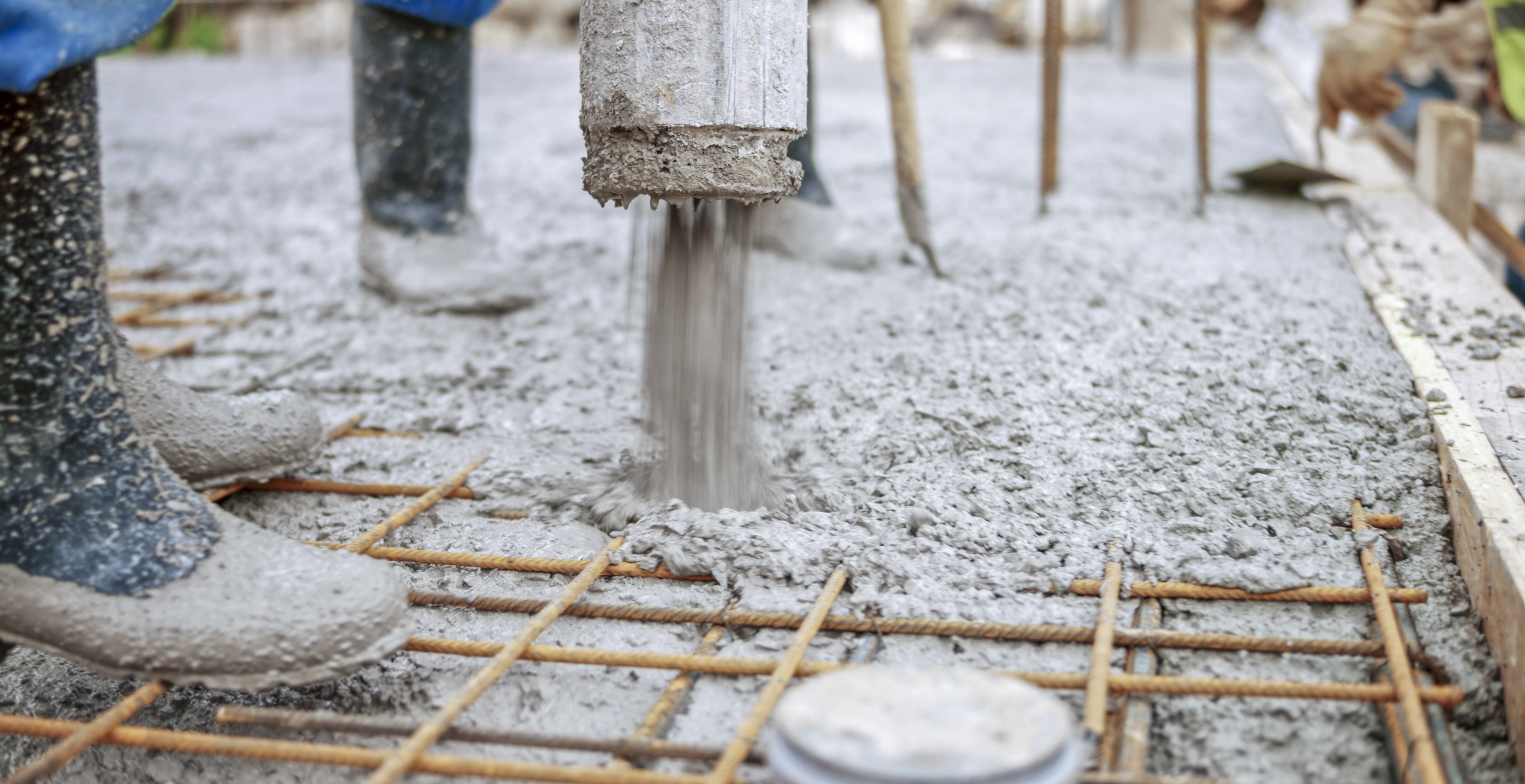

Flowable fill is a self-compacting low strength material with a flowable consistency that is used as an economical fill or backfill material as an alternative to compacted granular fill. Flowable fill is not concrete nor is it used to replace concrete. Terminology used by ACI Committee 229 is Controlled Low Strength Material (CLSM). Other terms used for this material are unshrinkable fill, controlled density fill, flowable mortar or lean-mix backfill.
In terms of its flowability, the slump, as measured for concrete, is generally greater than 8 inches (200 mm). It is a self-leveling material and can be placed with minimal effort and does not require vibration or tamping. It hardens into a strong material with minimal subsidence.
While the broader definition includes materials with compressive strength less than 1200 psi (8.3 MPa), most applications use mixtures with strength less than 300 psi (2.1 MPa). The late-age strength of removable CLSM materials should be in the range of 30 to 200 psi (0.2 to 1.4 MPa) as measured by compressive strength of cylinders. It is important that the expectation of future excavation of flowable fill material be stated when specifying or ordering the material.
Flowable fill is an economical alternative to compacted granular fill considering the savings in labor costs, equipment and time. Since it does not need manual compaction, trench width or the size of excavation is significantly reduced. Placing flowable fill does not require people to enter an excavation, a significant safety concern. CLSM is also an excellent solution for filling inaccessible areas, such as underground tanks, where compacted fill cannot be placed.

Ask for it by intended use and indicate whether excavatability in the future is required. Ready mixed concrete producers generally have developed mixture proportions for flowable fill products that make best use of economical aggregates, fly ash and other materials. Frequently site-excavated materials and materials that do not meet standards for use in concrete can be incorporated in flowable fill mixtures.
Strength – For later excavatability the ultimate strength of the flowable fill must be kept below 200 psi (1.4 MPa) to allow excavation by mechanical equipment, like back- hoes. For manual excavation the ultimate strength should be less than 50 psi (0.3 MPa). Mixtures containing large amounts of coarse aggregate are more difficult to excavate. Mixtures with entrained air in excess of 20% by volume are used to keep the strength low.
Higher strength structural fills can be designed for a specific required strength. Compressive strength of 50 to 100 psi (0.3 to 0.7 MPa) provides an allowable bearing pacity similar to well-compacted soil.
Setting and Early Strength may be important where equipment, traffic, or construction loads must be carried or subsequent construction needs to be scheduled. Judge the setting characteristics by scraping off loose accumulations of water and fines on top and see how much force is necessary to cause an indentation in the material. ASTM C403 or ASTM D6024 may be used to estimate the load carrying ability of the flowable fill. Penetration values by C403 between 500 and 1500 psi are adequate for loading flowable fill.
Density in place is usually in the 115 to 145 lb./cu. ft. range for non-air entrained or conventionally air-entrained mixtures. These densities are typically higher than most compacted fills. If lightweight fills are needed to reduce the weight or to provide greater thermal insulation, high entrained air (greater than 20%) mixtures, preformed foam or lightweight aggregates may be used.
Flowability of flowable fill is important, so the mixture will flow into place and consolidate due to its fluidity without vibration or puddling action. The flowability can be varied to suit the placement requirements of most applications. Hydrostatic pressure and floatation of pipes should be considered by appropriate anchorage or by placing in lifts.
Subsidence of some flowable fill mixtures with high water content is on the order of ¼ inch per foot (20 mm percameter) of depth as the solid materials settle. Mixtures with high air content use less water and have little or no subsidence.
Permeability of flowable mixtures can be varied significantly to suit the application. Most mixtures have permeability similar to or lower than compacted soil.
Durability – Flowable fill materials are not designed to resist freezing and thawing, abrasive or most erosive actions, or aggressive chemicals. If these properties are required, use a high quality concrete. Fill materials are usually buried in the ground or otherwise confined. If flowable fill deteriorates in place it will continue to act as a granular fill.
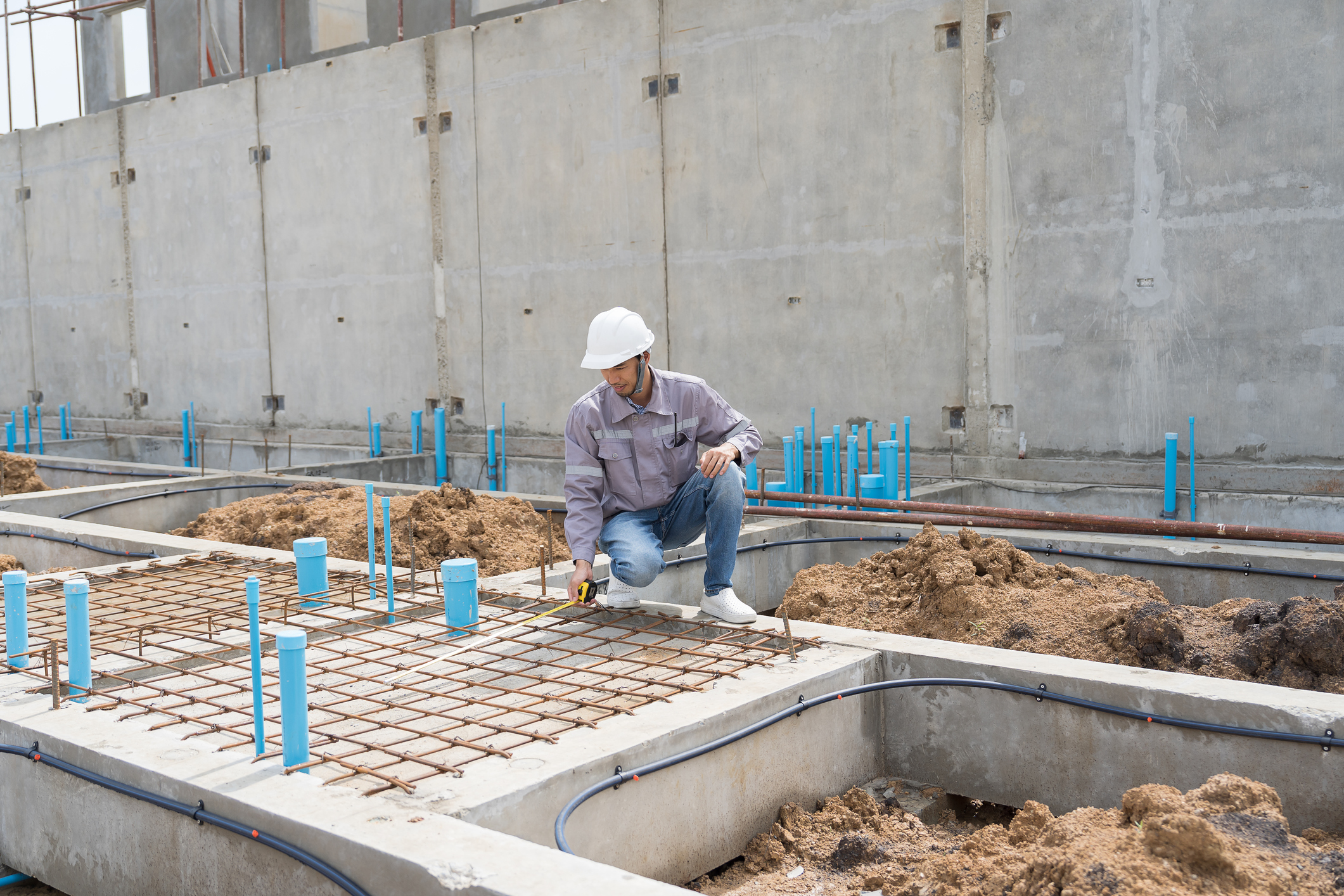
Flowable fill is delivered by ready mixed concrete truck mixers and placed easily by chute in a flowable condition directly into the cavity to be filled. To avoid segregation, the drum should be kept agitating. Flowable fill can be conveyed by pump, chutes or buckets to its final location. For efficient pumping, some granular material is needed in the mixture. Due to its fluid consistency it can flow long distances from the point of placement.
Flowable fill does not need to be cured like concrete but should be protected from freezing until it has hardened.
Quality assurance testing is not necessary for pre-tested standard mixtures of flowable fill. Visual checks of mixture consistency and performance have proven adequate. Test methods and acceptance criteria for concrete are generally not applicable. Testing may be appropriate with new mixtures or if non-standard materials are used.
